Modern aircraft do strange things. Monday’s medical transport becomes Thursday’s cargo hauler. Next week that same plane evacuates flood victims. Designing planes for these varied tasks requires significant engineering skill and innovation.
The Need for Flexible Aircraft Design
Most planes do one thing. Southwest flies passengers. FedEx hauls packages. But specialty aircraft can’t pick just one job. Government agencies want planes that morph between roles overnight. Why? Money, mostly. Nobody can afford five different aircraft when one shapeshifter will do.
Read More : HCB Yachts: American Craftsmanship, Global Luxury
Disasters don’t send advance notice. Wars pop up. Earthquakes hit. Pandemics spread. Organizations need planes ready for whatever chaos comes next. So engineers scratch their heads and design cabins that change faster than a teenager’s mood. Here’s the kicker: these transformations happen fast. Really fast. A crew might get four hours to rip out passenger seats and bolt in stretchers. Tomorrow they’ll yank those stretchers and install cargo nets. No time for lengthy rebuilds. It all needs to fit together seamlessly, like children’s plastic building blocks.
Modular Systems and Quick-Change Components
The magic happens through modular design. The floor looks like Swiss cheese – holes everywhere. But those holes aren’t random. They’re mounting points that grab onto seats, medical gear, cargo pallets, whatever you need. Same holes, different stuff. Forget screwdrivers and wrenches. Quick-release pins rule here. Pull a lever, slide out a seat. Push a button, lock in a stretcher. Color-coding helps too. Red pins go in red holes. Blue connects to blue. Even exhausted crews working by flashlight can’t mess it up.
Power outlets work the same way. That plug running a heart monitor today? Tomorrow it powers surveillance computers. The data port sending patient vitals now? Next week it streams video from cameras. One system, many uses. Nobody rewires anything between missions.
Smart Storage and Space Management
These planes conceal their storage areas much like squirrels conceal their nuts. Behind that harmless-looking wall panel, medical supplies are hidden. The cargo space is revealed when you lift the floor section. Those overhead bins? They grow and shrink depending on what you’re storing.
Companies like LifePort cracked the code on aircraft interiors that truly adapt. Their gear does gymnastics. A regular passenger seat flattens into a cargo platform. Medical equipment clips onto seat frames. Desks fold into walls thinner than a pizza box. One piece of furniture, three different jobs. Walls earn their keep too. Tables drop down when you need them and disappear when you don’t. Computer screens swing out on arms, then tuck back flush. Oxygen lines coil up neat and tidy. Nothing stays in the way. Nothing goes to waste.
Training and Standardization Challenges
All this flexibility? It complicates things. Crews train on configurations A, B, and C, learning which setups are fatal and which are survivable. Mistakes aren’t just embarrassing; they’re deadly. Paperwork grows quickly. Each configuration needs its own manual. Weight calculations change when you swap seats for stretchers. Maintenance schedules shift based on installed equipment. Some poor engineer writes instructions for every possible combination. The manuals weigh more than the equipment.
Read More : Bas Lengers’ Vision: A Pilot Boat in a Tuxedo (Narrative/Vision Focus)
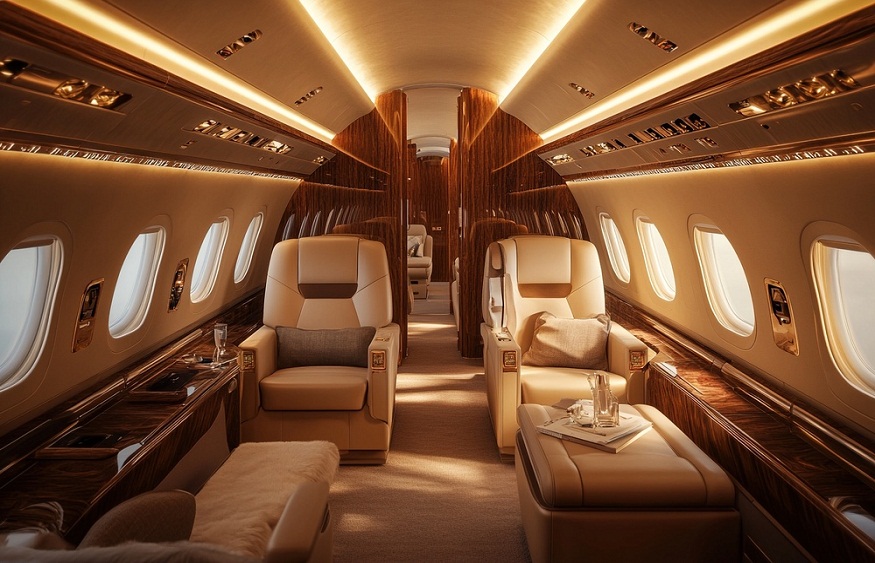
Standardization helps, but only so much. Different agencies want different things. The military likes armor. Medical teams want oxygen everywhere. Government officials demand comfortable seats. You can’t please everyone, but these aircraft try anyway.
Conclusion
Building shape-shifting aircraft pushes engineering hard. These planes show flexibility is better than specialization for varied missions. Technology is constantly advancing. Missions keep changing. The aircraft that adapt fastest will own tomorrow’s skies. Organizations save money. Crews save time. Most importantly, these transformer planes save lives by getting the right capability to the right place at the right moment.